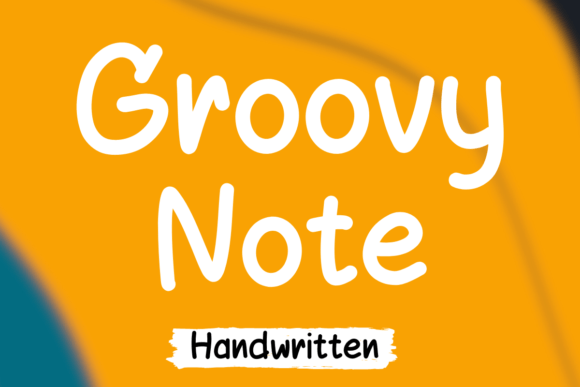
Sweet Bon Bon Font for Web Design
Sweet Bon Bon is a handwritten font that brings a sense of warmth and charm to digital projects. Its distinct, timeless style makes it ideal for creating adorable, children-themed designs or any project that needs a personal, approachable feel. As a web designer, I’ve found that fonts like Sweet Bon Bon can significantly impact the visual hierarchy and brand tone of a website.
Visual Characteristics and Style
Sweet Bon Bon features soft curves, gentle loops, and a friendly appearance that mimics natural handwriting. This gives it a unique personality that stands out from more rigid typefaces. The font’s character set includes a variety of stylized letters, making it perfect for adding a touch of creativity to headers, buttons, and decorative elements.
The script style of Sweet Bon Bon adds an elegant yet playful aesthetic. It works well in designs that require a handcrafted or personalized look. Whether you're designing a landing page for a boutique online store or a creative portfolio, this font can help establish a strong visual identity.
Applications in Web Design
Sweet Bon Bon is versatile enough to be used in various parts of a website. For example, it can be used in hero sections to draw attention with its eye-catching appeal. When paired with a clean sans serif font for body copy, it creates a balanced layout that enhances readability without sacrificing style.
In call-to-action areas, using Sweet Bon Bon for buttons or short phrases can increase user engagement by making the content feel more inviting. On a product landing page, it can be used to highlight key features or benefits, helping to guide the viewer's attention effectively.
For blog graphics or social media posts, Sweet Bon Bon adds a charming touch that can make headlines more engaging. It also works well in digital ads where a friendly tone is needed to connect with the audience.
Readability and Usability
While Sweet Bon Bon is a display font, it’s important to use it thoughtfully for optimal readability. In responsive layouts, ensure that the font size is large enough on mobile screens so that the text remains legible. Avoid using it for long paragraphs, as it may become difficult to read over extended lengths.
When using Sweet Bon Bon on dark backgrounds or image overlays, consider adjusting the contrast or adding a subtle stroke to improve visibility. Testing different weights and styles can also help achieve the right balance between aesthetics and usability.
Font Pairing and Brand Identity
Pairing Sweet Bon Bon with a simple sans serif font such as Helvetica or Arial can create a modern and professional look while maintaining a warm, approachable tone. This combination is especially effective for editorial design, packaging design, or branding that requires both creativity and clarity.
If your brand has a more traditional or sophisticated identity, consider pairing Sweet Bon Bon with a serif font like Georgia or Times New Roman. This can add depth and elegance to your design while keeping the overall look cohesive.
Choosing the right font pairings helps maintain visual harmony across your website. It also ensures that the typography supports the brand’s message and enhances the user experience.
Commercial Use and Licensing
Before using Sweet Bon Bon on client projects, online stores, or digital templates, check the licensing agreement to ensure it meets your commercial needs. Many premium fonts offer licenses that allow for use in websites, apps, and other digital products. Make sure to review the terms carefully to avoid any legal issues.
For brand assets, having a consistent font choice across all platforms is essential. Sweet Bon Bon can be part of a comprehensive brand kit that includes logos, color schemes, and typography guidelines. This helps maintain a unified identity across all marketing materials.
Practical Examples
On a creative portfolio site, Sweet Bon Bon can be used for section headings and project titles, giving the site a personal and artistic feel. For a coaching website, it can add warmth to headlines and testimonials, reinforcing a sense of trust and connection with the audience.
In an online store, using Sweet Bon Bon for product names or promotional banners can make the content stand out and encourage clicks. On a course sales page, it can be used for feature highlights or pricing sections, helping to guide the viewer through the conversion funnel.
Whether you're designing a blog header, digital ad, or branded graphic, Sweet Bon Bon offers a unique way to express creativity while maintaining professionalism. Its versatility makes it a valuable asset for any web designer looking to enhance their digital projects with a touch of personality.