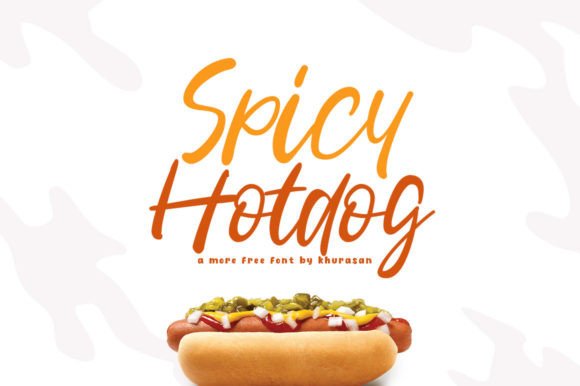
Spicy Hotdog: A Stylish Script Font for Modern Editorial Design
I was recently working on a lifestyle blog redesign, and the first thing I noticed was how much the right font can elevate the entire look and feel of a publication. As I explored different typefaces, one stood out—Spicy Hotdog. It’s a script font that feels both playful and refined, making it ideal for a variety of editorial projects.
A Font with Personality
Spicy Hotdog is more than just a display font—it has a distinct visual character that brings warmth and charm to any design. Its elegant curves and rhythmic flow give it a sense of movement, while its clean lines ensure it remains readable even in larger sizes. This makes it perfect for headlines, titles, and decorative accents without sacrificing clarity.
The font carries a mood that’s both modern and approachable. It doesn’t feel too formal or overly casual, which gives it a versatile appeal across different content types. Whether you're designing a wedding guide, a recipe ebook, or a digital magazine, Spicy Hotdog adds a touch of personality that stands out without overwhelming the reader.
Real-World Applications
As I began testing Spicy Hotdog on my blog header, I found it worked beautifully as a main title. The font’s soft edges and subtle flair gave the header a welcoming feel, while still maintaining professionalism. I also used it for section headings within the blog posts, where it helped break up long blocks of text and guide the reader through the content with ease.
For a recent project, I designed a printable planner using Spicy Hotdog for the title and chapter openers. The font added a creative edge that matched the overall aesthetic of the planner, making it feel more like a personal journal than a generic template. I also experimented with using it for pull quotes, where its unique style made the highlighted text stand out in a visually appealing way.
When to Use Spicy Hotdog
Spicy Hotdog shines when used for titles, subtitles, and pull quotes. It’s not ideally suited for long-form reading due to its stylized nature, but it works perfectly for short bursts of text that need to catch attention. For body copy, pairing it with a clean sans serif or serif font ensures readability without losing the visual impact of the script font.
I found that using Spicy Hotdog for cover text on an ebook was particularly effective. It gave the title a bold, eye-catching presence that drew readers in, while the rest of the book used a more traditional serif font for the body text. This contrast helped reinforce the brand identity and made the design feel more cohesive.
Readability and Practical Considerations
While Spicy Hotdog is a display font, I paid close attention to how it performed on screen and in print. On mobile layouts, the font remained legible, though I made sure to use it sparingly so it didn’t become too small or hard to read. In PDF exports and print materials, the font rendered cleanly, making it suitable for both digital and physical publications.
One thing I always check before using any font in a commercial project is the licensing terms. Since Spicy Hotdog is a freebie, I made sure to review the usage rights to confirm it could be used in my blog headers, printable guides, and other content. It’s important to understand what’s allowed and what isn’t, especially if you’re creating paid templates or client work.
Font Pairing Suggestions
To create a balanced layout, I paired Spicy Hotdog with a readable serif font for body text. This combination provided a nice contrast between the decorative script and the more traditional typography. For captions and navigation elements, I used a clean sans serif font to keep things simple and easy to scan.
Another great option is to use Spicy Hotdog alongside another script font for a layered effect. However, I found that using too many script fonts at once can make the design feel cluttered, so it’s best to stick with one primary display font and let it shine.
Designing with Purpose
Choosing the right font is about more than just aesthetics—it’s about creating a better reading experience. With Spicy Hotdog, I felt like I had a tool that could help me build a stronger connection with my audience. Its stylish yet approachable nature made it easy to integrate into various editorial formats, from newsletters to course PDFs.
Whether you're working on a blog redesign, a digital magazine layout, or a printable planner, Spicy Hotdog offers a fresh take on modern typography. It’s a font that invites curiosity and engagement, making it a valuable addition to any designer’s toolkit.